Where did Hurricane Sandy pass through?
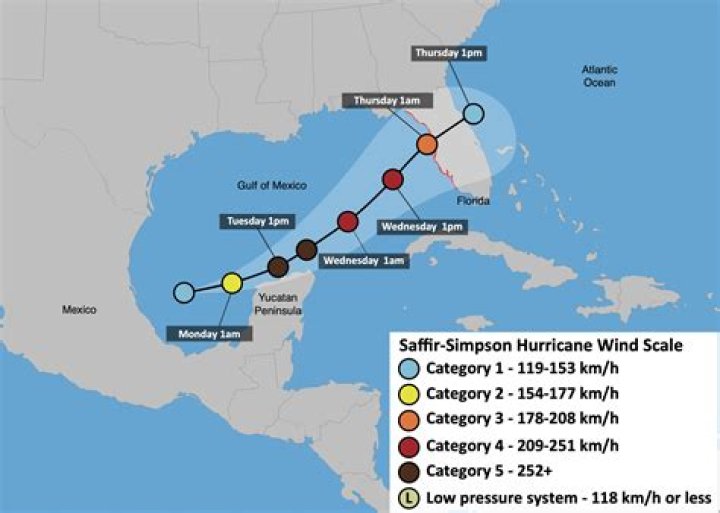
Hurricane Sandy passed over Jamaica, the Dominican Republic, and Haiti. It pummeled Haiti with rain, setting off a torrent of mudslides that killed at least 50 people.
Where was the most damage from Hurricane Sandy?
New York was most severely impacted due to damage to subways and roadway tunnels. In New York and New Jersey, storm surges were 14 ft above the average low tide. At the height of the storm, over 7.5 million people were without power.
How high was the water during Hurricane Sandy?
Sandy has become a touchpoint for climate adaptation efforts in New York. The October 2012 storm generated the highest storm tide ever recorded in New York, reaching to nearly 14 feet in height, about 9 feet of which was from storm surge.
Was hurricane Sandy a hurricane when it hit New York?
Tropical Storm Henri is moving up to hit New York State and then proceed north, Connecticut, Massachusetts, Rhode Island, et cetera. But, when it hits New York, we’re expecting a Category 1 hurricane. Superstorm Sandy, which we all remember, was also a Category 1 when it hit New York State.
How many died in Hurricane Sandy?
285
Hurricane Sandy/Total fatalities
Has a hurricane ever hit Canada?
Canada is usually only hit with weak storms, due to the generally cool waters immediately offshore. The strongest hurricane to make landfall in Canada was Hurricane Ginny of 1963, which had winds of 110 mph (175 km/h), making it a strong Category 2 hurricane at the time of its landfall near Yarmouth, Nova Scotia.
Do hurricanes happen in New York?
Coastal storms, including nor’easters, tropical storms and hurricanes, can and do affect New York City. It’s important New Yorkers take the time to prepare. All residents should have a plan in the event they need to evacuate or ride out the storm at home.
How long did it take to recover from Hurricane Sandy?
But recovering from big emergencies can take five years or longer. Foundations, corporations and the like (PDF) play big roles in assisting the people and communities hurt by disasters. After Sandy, they contributed $328.4 million towards recovery efforts between October 2012 and June 2014.
What made Sandy so bad?
Sandy is arriving during high tides. So the “life-threatening” storm surge caused by Sandy’s winds is likely to coincide with several very high tides. Forecasters say in some places, the combined effect could push tidal waters 11 feet higher than normal — a level usually associated with much more powerful storms.
What was the damage caused by Hurricane Sandy?
The storm inflicted nearly $70 billion (2012 USD) in damage and killed 233 people across eight countries from the Caribbean to Canada. The eighteenth named storm, tenth hurricane, and second major hurricane of the year, Sandy was a Category 3 storm at its peak intensity when it made landfall in Cuba.
What was the cost of Hurricane Sandy in 2012?
Hurricane Sandy (unofficially referred to as Superstorm Sandy) was the deadliest and most destructive, as well as the strongest hurricane of the 2012 Atlantic hurricane season. The storm inflicted nearly $70 billion (2012 USD) in damage and killed 233 people across eight countries from the Caribbean to Canada.
How are water levels tracked after Hurricane Sandy?
Fire Island breach During and after Hurricane Sandy, the USGS monitored water levels, storm tide, wave height, and high-water marks at over 224 locations. This information helps the USGS and its partners track the storm and respond to the most-impacted areas.
When did Hurricane Sandy hit in the Bahamas?
On October 25, Sandy hit Cuba as a Category 3 hurricane, then weakened to a Category 1 hurricane. Early on October 26, Sandy moved through the Bahamas. On October 27, Sandy briefly weakened to a tropical storm and then restrengthened to a Category 1 hurricane.
When did Hurricane Sandy hit in the Caribbean?
Hurricane Sandy – October 29, 2012 Hurricane Sandy was the 18th named tropical cyclone of the 2012 Atlantic hurricane season (June 1 – November 30). Sandy formed in the central Caribbean on October 22, 2012 and intensified into a hurricane as it tracked north across Jamaica, eastern Cuba and the Bahamas.
What did the USGS do during Hurricane Sandy?
During and after Hurricane Sandy, the USGS monitored water levels, storm tide, wave height, and high-water marks at over 224 locations. This information helps the USGS and its partners track the storm and respond to the most-impacted areas. The Flood Event Viewer provides access to USGS monitoring activities during Hurricane Sandy.
Fire Island breach During and after Hurricane Sandy, the USGS monitored water levels, storm tide, wave height, and high-water marks at over 224 locations. This information helps the USGS and its partners track the storm and respond to the most-impacted areas.
Hurricane Sandy (unofficially referred to as Superstorm Sandy) was the deadliest, the most destructive, and the strongest hurricane of the 2012 Atlantic hurricane season. The storm inflicted nearly $70 billion (2012 USD) in damage and killed 233 people across eight countries from the Caribbean to Canada.
